Boutique Hotel Lobby Ideas For Stunning First Impressions
Implementing clever boutique hotel lobby ideas can transform a basic check-in desk into an unforgettable social hub. I learned this lesson after visiting a cramped Melbourne inn where guests tripped over luggage carts because the entrance lacked proper spatial flow. Real hospitality experience teaches you that sightlines, lighting layers, and comfortable seating matter far more than expensive marble counters. When you design a small property, every square meter must work hard to establish a distinct character. Smart hoteliers know that the entrance sets the emotional tone for the entire guest stay.
Boutique hotel lobby ideas that nail first impressions
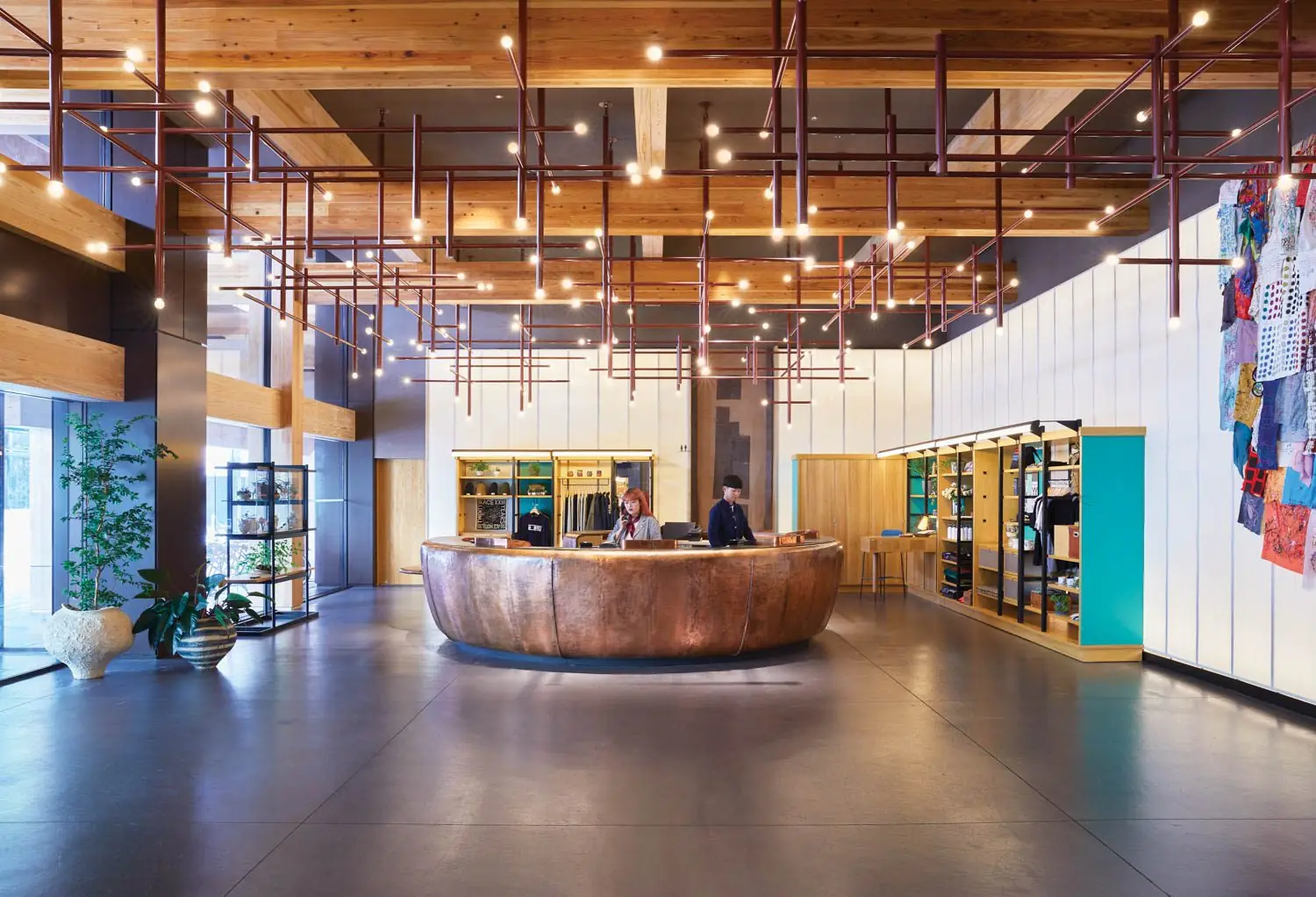
Executing successful boutique hotel lobby ideas requires careful attention to spatial psychology and pedestrian movement. Research published by the American Hotel & Lodging Association indicates that guests form their primary quality judgment within ninety seconds of entering a property. You must balance visual drama with functional practicality so tired travelers can navigate the room easily after a long flight.
Arrival flow: what guests see in the first ten seconds
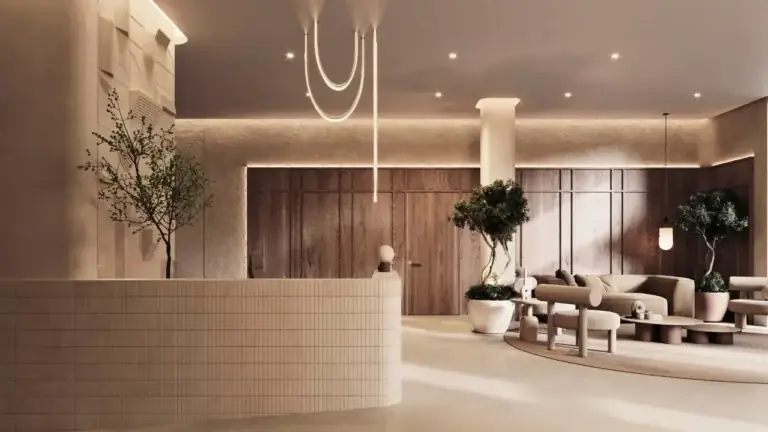
The front desk should never be the absolute first object a visitor encounters upon stepping inside. Placing a striking art piece, a statement water feature, or a lush green planter immediately ahead draws the eye inward. Guests appreciate having a brief moment to breathe and shake off travel stress before interacting with staff. Clear sightlines guide visitors naturally toward reception without requiring confusing directional signage.
Seating, lighting and atmosphere
Creating a welcoming environment relies heavily on tactile furniture choices and warm illumination patterns. Independent properties often draw inspiration from unique boutique hotel concept ideas to establish a cohesive aesthetic story. You should avoid harsh overhead spotlighting that makes public rooms feel sterile and clinical.
Zoned seating that encourages lingering
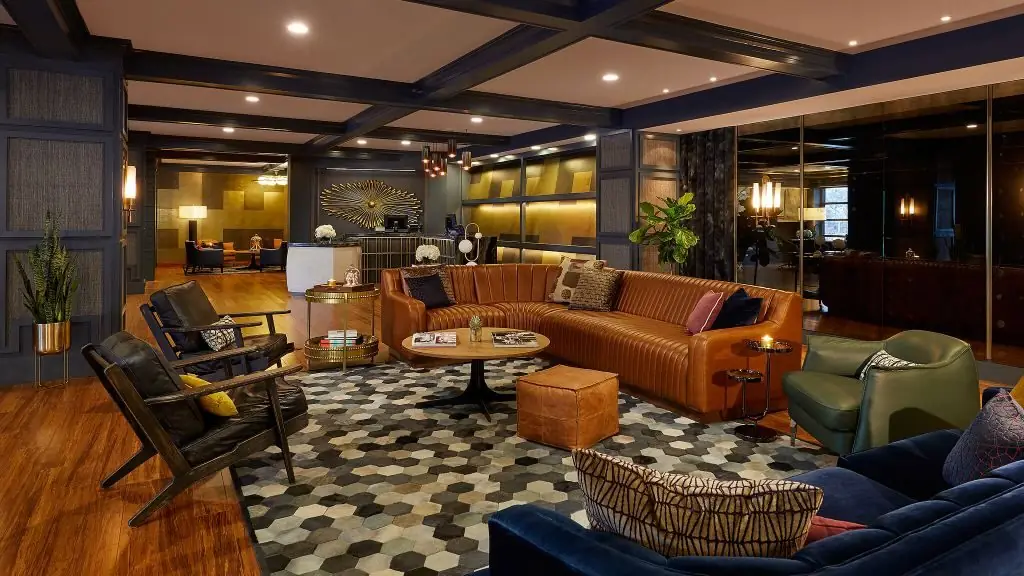
Grouping armchairs into intimate clusters prevents the room from feeling like a sterile airport waiting terminal. Velvet sofas paired with reclaimed timber coffee tables invite guests to sit down with a laptop or cocktail. Establishing different conversation pockets allows business travelers and leisure guests to share the room comfortably without crowding each other.
Warm lighting schemes that suit evening arrivals
Layered illumination combines floor lamps, wall sconces, and low-level shelf lighting to create flattering shadows. Dimmers installed on every circuit let front desk staff adjust brightness levels smoothly as daylight fades outside. Guests feel instantly relaxed when they walk into a room bathed in warm amber tones rather than blinding fluorescent tubes.
Lobbies that work harder than reception
Modern travelers expect public spaces to serve multiple functions throughout the day and evening hours. Integrating commercial amenities into the floor plan turns idle square footage into a profitable revenue center. Before settling on a layout, owners often test various boutique hotel name ideas to ensure the brand identity matches the physical environment.
Coffee bars, retail nooks and co-working corners
A modular espresso counter during morning hours easily transitions into a craft cocktail station by late afternoon. Displaying locally made ceramics or artisanal candles on open wooden shelving gives guests a reason to browse and buy souvenirs. High-top communal tables equipped with concealed power outlets attract remote workers who want lively background energy.
Turning the lobby into an event and social space
Hosting local wine tastings or acoustic music sets transforms the ground floor into a vibrant neighborhood destination. Movable furniture layouts allow staff to clear floor space quickly when evening events take place. Locals mingle with registered guests, which generates authentic atmosphere and strengthens community ties.
Finishing touches that define your brand
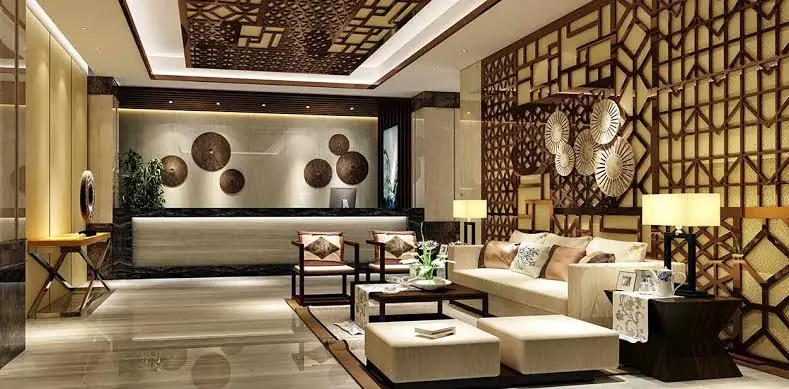
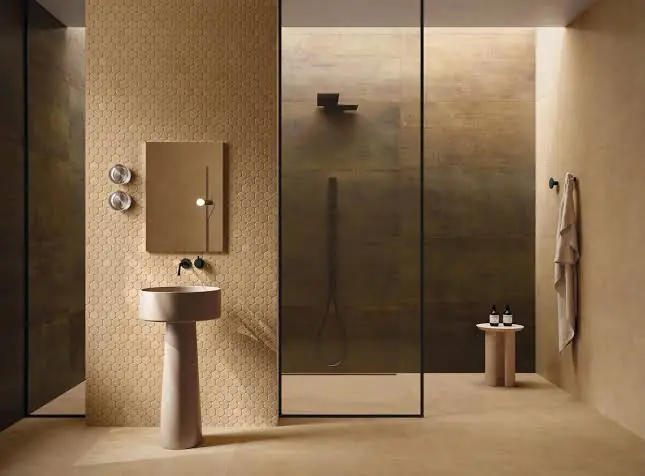
The smallest sensory details often leave the deepest and most lasting impression on visiting patrons. Ensuring private guest quarters match this level of detail is just as important, which is why reviewing boutique hotel bathroom ideas helps maintain high standards throughout the property. You should curate every texture and scent deliberately to reinforce your core design narrative.
Scent, music and fresh flowers
A signature ambient fragrance greets visitors instantly and creates an immediate psychological shift toward relaxation. Curated playlist tempos shift subtly throughout the day, moving from upbeat morning tracks to mellow evening rhythms. Massive ceramic vases filled with seasonal local blooms add organic movement and genuine color to reception counters.
Local art and rotating displays
Partnering with nearby painters and sculptors gives the interior an authentic sense of regional place. Rotating gallery walls keep the space feeling dynamic for returning guests who visit annually. Displaying small informational cards next to artworks lets patrons purchase pieces directly, supporting local creative talent.
Frequently Asked Questions
How can I make a small boutique hotel lobby feel larger?
Using floor-to-ceiling mirrors, light neutral wall palettes, and exposed glass entry doors bounces natural light around the room. Keeping furniture low-profile also preserves vertical sightlines, making compact footprints feel open and airy.
Should the check-in desk be hidden or prominent?
Positioning reception slightly off-center creates a more welcoming, residential atmosphere than a massive imposing hotel counter. Guests prefer feeling like they are entering a stylish living room rather than a corporate transaction hub.
What flooring materials work best in high-traffic hotel lobbies?
Durable natural stone, patterned encaustic tiles, and commercial-grade hardwood handle heavy luggage rolling without showing premature wear. Avoid plush residential carpets near the main entrance because they trap moisture and stain easily.
How do I stop the lobby from feeling noisy and chaotic?
Upholstered wall panels, heavy drapery, and acoustic ceiling baffles absorb bouncing sound waves effectively. Adding large area rugs over hard flooring also softens footsteps and reduces overall ambient noise levels.
Conclusion
Designing an exceptional entry space comes down to balancing tactile comfort with smart operational efficiency. By prioritizing warm lighting, flexible seating zones, and memorable sensory details, you create a public room that guests genuinely enjoy inhabiting. Take time to evaluate your current floor plan and implement these design strategies to elevate your property’s first impression today.