What Is Hotel Booking System Software? Complete Hospitality Guide
Understanding what is hotel booking system software starts with looking at how modern properties capture online reservations without double-booking rooms. Years ago, front desk clerks managed paper ledgers and answered endless phone calls just to fill ten guest rooms. Today, automated reservation engines connect your property website directly to global travel portals in real time. Let us examine how these digital platforms operate, which core features matter most for daily operations, and how to pick the right tool for your business.
What Is a Hotel Booking System, in Plain Terms

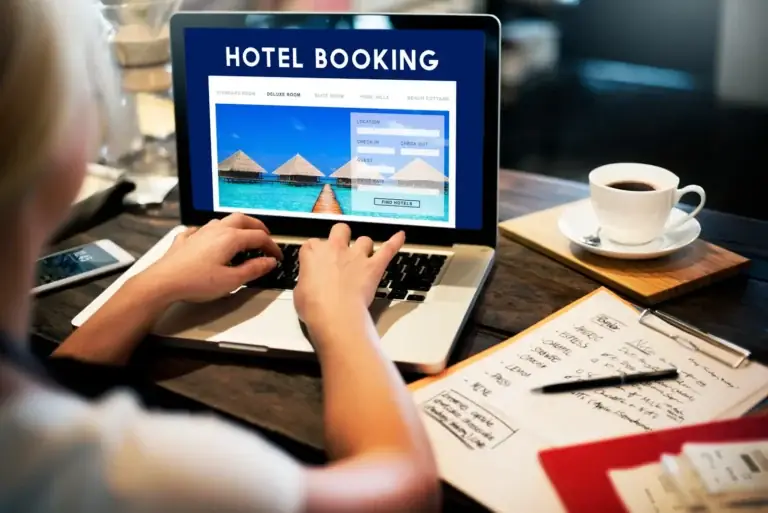
A digital reservation engine acts as an online storefront that lets travelers check room availability and pay securely twenty-four hours a day. When guests visit your website, the software displays live inventory, room photos, and seasonal pricing tiers automatically. Data published by the American Hotel and Lodging Association shows that direct digital bookings generate significantly higher profit margins than third-party travel agency referrals. Knowing how this software functions helps property owners reduce commission expenses and maintain full control over guest relationships.
The core job of reservation management
Every reservation platform captures guest contact information, processes credit card deposits, and sends instant confirmation emails upon checkout. Automated notifications eliminate manual data entry errors that frequently occur when staff transcribe phone orders onto paper forms. Guests receive clear check-in instructions immediately, reducing front desk phone inquiries before arrival.
How it connects to your property management system
Modern booking engines integrate directly with your central property management system to keep housekeeping and front desk schedules aligned. Once an online reservation is completed, the room status updates across internal dashboards automatically. Front desk staff can assign specific room numbers, track special requests, and prepare key cards ahead of guest check-in.
How a Hotel Booking System Handles Reservations
Managing room inventory across multiple sales channels requires fast synchronization to prevent embarrassing overbooking situations. When a traveler books your final suite on an external travel portal, your website must remove that room within seconds. Automated software handles this complex distribution work silently in the background while your team focuses on hospitality.
Channel syncing and avoiding double bookings
Two-way channel managers link your direct reservation engine with major third-party marketplaces like Expedia and Booking.com. Inventory counts are adjusted simultaneously across every connected platform whenever a cancellation or new booking occurs. Eliminating manual spreadsheet updates saves hours of administrative labor every single week.
Rate updates and availability in real time
Dynamic pricing tools allow managers to adjust nightly rates based on local occupancy trends, seasonal demand, and competitor pricing. If a major concert or conference sells out nearby properties, your system can raise room prices automatically to maximize revenue. Promotional discount codes can also be launched instantly during slow mid-week periods to boost occupancy.
Key Features Hotels Should Look For
Selecting reliable reservation software requires evaluating security standards, mobile usability, and financial reporting capabilities. A clunky checkout page drives impatient mobile shoppers straight back to third-party aggregator websites. Property owners must prioritize clean interfaces that guide visitors from room selection to final payment in just a few clicks.
Payment processing and guest data security
Built-in payment gateways must comply with strict PCI-DSS security standards to protect sensitive traveler credit card data from breaches. Automated deposit collection secures revenue upfront and enforces clear cancellation penalties when guests fail to show up. Tokenized payment storage lets front desk staff process incidental charges smoothly during check-out without re-swiping cards.
Reporting tools that show booking trends
Analytics dashboards track conversion rates, average daily rates, and booking lead times across different seasons. Managers use these clear metrics to identify which marketing campaigns deliver actual paying guests versus empty website clicks. Understanding booking patterns helps owners forecast staffing needs and budget accurately for upcoming quarters.
Choosing the Right System for Your Property

Different lodging businesses require tailored software setups depending on room count, staff size, and guest demographics. Independent properties often thrive with cloud-based all-in-one suites, while multi-property brands need enterprise customization. Entrepreneurs launching new hospitality ventures often study creative boutique hotel concept ideas to align their digital guest journey with their physical property vibe.
Small hotel vs large chain requirements
Boutique inns and bed-and-breakfast properties benefit from simple, affordable monthly subscription tools that require minimal technical maintenance. Establishing memorable branding or catchy boutique hotel name ideas pairs well with custom-branded booking widgets that match your website colors. Large hotel chains require complex multi-property integrations, corporate billing modules, and dedicated enterprise support teams.
Questions to ask before signing a contract
Vendor contracts sometimes hide setup fees, transaction percentages, or rigid multi-year lock-in clauses inside dense legal agreements. Smart buyers clarify exact monthly costs, customer support response times, and data export rights before committing funds. Designing cohesive guest experiences also means paying attention to interior details, such as exploring unique boutique hotel bathroom ideas that impress guests once they arrive on-site.
-
Verify whether the software charges flat monthly fees or takes a percentage commission per booking.
-
Confirm that the booking widget works smoothly on smartphone screens without horizontal scrolling.
-
Ask if live phone or chat support is included during weekend and holiday hours.
-
Check whether the platform supports multiple languages and local currency conversions for international travelers.
Frequently Asked Questions
What is hotel booking system software used for?
A hotel booking system allows properties to accept direct online reservations, process secure payments, and sync room availability across travel websites automatically. It eliminates manual scheduling errors and reduces reliance on third-party commission platforms.
Does a booking system replace a property management system?
No, a booking engine handles the public reservation process, whereas a property management system manages daily operations like housekeeping, check-ins, and billing. Many modern hospitality platforms bundle both tools together into one unified dashboard.
How much does hotel reservation software cost?
Pricing varies widely based on property size, typically ranging from fifty dollars per month for small inns to several hundred dollars for larger hotels. Some vendors charge flat monthly subscriptions while others collect a small percentage fee per completed reservation.
Can small bed and breakfasts use hotel booking systems?
Yes, cloud-based booking tools are designed specifically to help independent inns, vacation rentals, and boutique properties compete with major hotel chains. Setup usually takes only a few days without requiring specialized IT staff.
Conclusion
Understanding what is hotel booking system technology empowers property owners to capture more direct reservations and simplify daily front desk workflows. By choosing secure, mobile-friendly software that syncs inventory in real time, you protect your business from costly overbookings and high commission fees. Evaluate your property size, request live software demos from reputable vendors, and upgrade your reservation process today.