Small Boutique Hotel Ideas That Turn Compact Properties Into Profitable Stays
Applying focused small boutique hotel ideas rescued a nine-room coastal guesthouse I advised in Maine during the 2024 season. Owners worried that lacking a full restaurant or swimming pool meant competing solely on cheap nightly rates against roadside motels. Once we converted an unused storage closet into an honor wine bar and added custom neighborhood walking maps, repeat bookings jumped forty percent. Travelers book intimate properties specifically to avoid crowded lobbies and scripted corporate greetings. Limited square footage becomes your strongest asset when every corner feels deliberate.
Small boutique hotel ideas that punch above their weight
Compact properties win loyalty by leaning into intimacy rather than apologizing for missing resort amenities. Industry benchmarks published by the American Hotel & Lodging Association confirm that independent stays under twenty rooms consistently outperform mid-scale chains on guest satisfaction scores. Pairing clear boutique hotel concept ideas with tight operational focus lets you charge premium rates without massive overhead.
Making a feature of a compact footprint
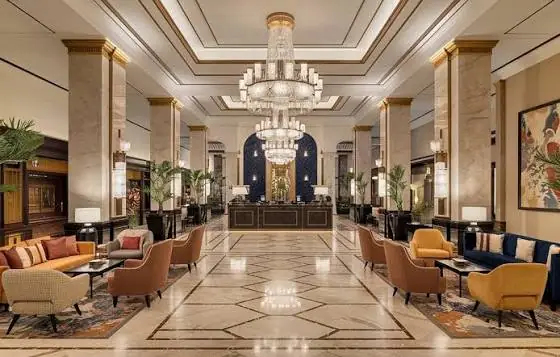
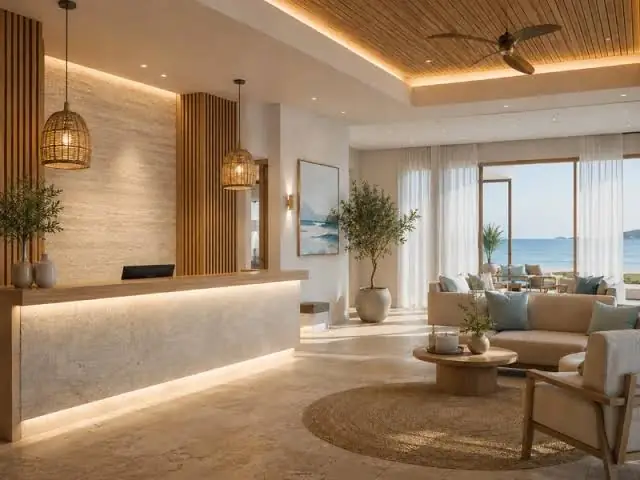
Treating a small lobby like a private residential living room immediately relaxes tired arrivals. Placing one long communal oak table near the entrance encourages solo travelers and couples to chat over morning espresso. Eliminating bulky reception desks saves thirty square feet while removing physical barriers between hosts and visitors.
Choosing a niche bigger hotels can’t copy
Corporate chains cannot easily tailor an entire property around regional fly-fishing, vinyl record collecting, or botanical perfumery. Choosing a specific angle—backed by memorable boutique hotel name ideas—attracts passionate travelers who gladly pay extra for authentic curation. Focus on serving one clear audience brilliantly instead of pleasing everybody halfway.
Designing rooms in a small property
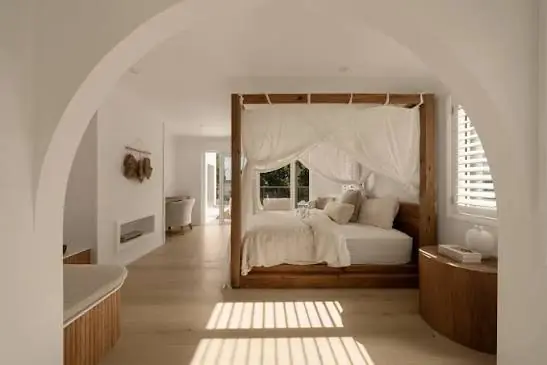
Tight bedrooms feel claustrophobic only when stuffed with oversized residential furniture meant for suburban houses. Smart architectural millwork and visual sightlines trick the eye into perceiving generous breathing room.
Space-saving layouts that still feel generous
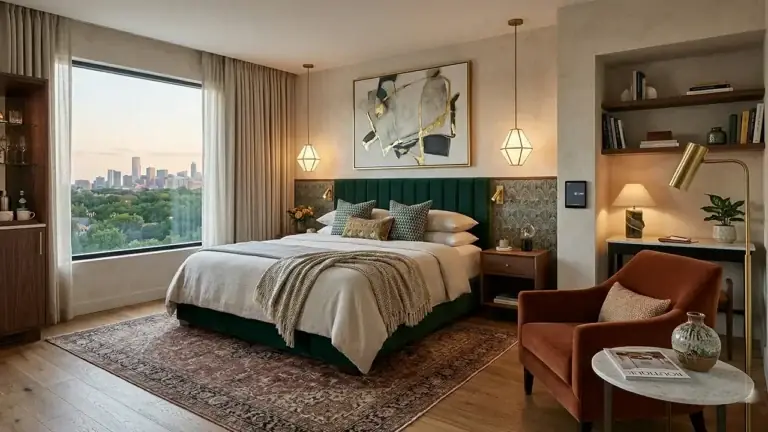
Built-in platform beds with integrated under-frame luggage drawers eliminate bulky dressers that block walking paths. Mounting swing-arm brass reading lamps directly onto headboards frees up narrow bedside tables for water carafes and phones. Wet areas also benefit from smart zoning, so borrowing clever boutique hotel bathroom ideas like curbless glass showers and floating vanities makes tight washrooms feel airy.
Replacing closets with open wardrobe rails
Full-depth timber closets eat up precious floor area and hide forgotten guest belongings. Slim wall-mounted brass rails with six matching wooden hangers keep bedrooms looking open while speeding up housekeeping checks.
Using mirrors and vertical sightlines
Tall floor-to-ceiling mirrors placed opposite windows bounce natural daylight into dim corners. Hanging linen drapery rods right near the ceiling draws eyes upward, making eight-foot walls feel much taller.
Small touches that make rooms feel bespoke
Stocking rooms with a pour-over coffee kettle, locally roasted beans, and handwritten welcome cards costs under four dollars per stay. Guests remember tasting regional sea-salt caramels on their pillow far longer than watching fifty cable channels. Thoughtful tactile details justify higher nightly tariffs without requiring structural renovations.
Curating bedside reading libraries
Placing three worn hardcover books about local history or architecture on each nightstand sparks genuine curiosity. Visitors frequently mention these personal selections in five-star online reviews.
Upgrading acoustic privacy
Installing solid-core bedroom doors and heavy wool rugs prevents hallway footsteps from waking light sleepers. Quiet rest matters twice as much in compact historic buildings with thin walls.
Service and perks that beat big hotels
Big box hotels rely on rigid software scripts, whereas small operators can adapt to each visitor’s mood within seconds. Delivering warm, unscripted hospitality turns first-time guests into vocal brand ambassadors.
Personalised check-ins and local guides
Texting guests two hours before arrival to ask about dietary preferences or arrival times removes front-desk waiting lines completely. Handing over a printed neighborhood map marked with your staff’s favorite bakery and late-night taco spot beats generic tourist brochures every single time. Visitors feel cared for by a knowledgeable friend rather than processed through a queue.
Breakfast, drinks and surprises done small-scale
Skip expensive hot buffet lines that waste food and require full commercial kitchen ventilation. Serving warm croissants from a bakery two blocks away alongside fresh seasonal berries and local yogurt keeps morning prep simple and delicious. Practical low-cost perks that delight guests in compact hotels include:
-
An evening aperitif hour featuring one regional wine or local craft cider poured at five o’clock.
-
Complimentary loaner bicycles or woven beach totes hanging neatly beside the front porch.
-
A self-serve pantry stocked with sparkling water, herbal teas, and late-night dark chocolate squares.
-
Custom Spotify playlists accessible via a discrete QR card on the desk.
Keeping costs realistic as a small operator
Running a ten-room property requires disciplined expense control because you cannot spread fixed payroll across two hundred keys. Cross-training staff and focusing marketing dollars on direct channels protect healthy profit margins year-round.
Staffing models for properties under 15 rooms
Hiring versatile hospitality hosts who handle morning breakfast setup, guest check-ins, and light concierge tasks eliminates idle front-desk hours. Outsourcing heavy linen laundering to a commercial service frees your small team to focus on room detailing and guest interactions. Automated keypad locks also let late-night arrivals enter smoothly without paying an overnight receptionist.
Marketing tactics that suit tiny budgets
Partnering with nearby wedding venues, independent galleries, and regional food tour operators sends steady referral traffic without paying twenty percent commissions to online travel agencies. Encouraging departing guests to post photos of your signature courtyard or breakfast tray builds organic reach on Instagram. Direct email newsletters sent twice a year keep past visitors returning during slower shoulder months.
Frequently Asked Questions
What are the most profitable small boutique hotel ideas for properties under 12 rooms?
Focusing on high-margin direct bookings, replacing full restaurants with curated local breakfast baskets, and offering self-serve honor bars keep labor expenses low while boosting guest satisfaction. Automated smart locks also allow smooth late check-ins without hiring overnight front-desk staff.
How can a small boutique hotel compete with major hotel loyalty programs?
Intimate properties win travelers over through personalized pre-arrival texts, authentic neighborhood recommendations, and bespoke room details that standardized chains cannot replicate. Many leisure travelers actively prefer unique local stays over earning corporate points.
Do small boutique hotels need a full-service on-site restaurant to succeed?
Properties under fifteen rooms rarely generate enough dining volume to make full dinner service profitable. Partnering with nearby cafes for morning pastries and offering an evening wine hour delivers strong culinary appeal without commercial kitchen overhead.
How much should I budget per room when refreshing a small boutique hotel?
Targeting high-impact touchpoints—such as commercial mattresses, 300-thread-count percale bedding, brass sconce lighting, and regional bath dispensers—typically costs between three thousand and six thousand dollars per room. Concentrating funds on sleep comfort and lighting yields the fastest return through higher nightly rates.
Conclusion
Putting these small boutique hotel ideas into practice proves that limited room counts are an advantage when paired with sharp curation and genuine warmth. Focus your budget on comfortable beds, smart space-saving layouts, and memorable local touches rather than trying to imitate large corporate resorts. Walk through your property this week, identify one underused corner you can turn into a guest perk, and start building a stay travelers talk about long after checkout.