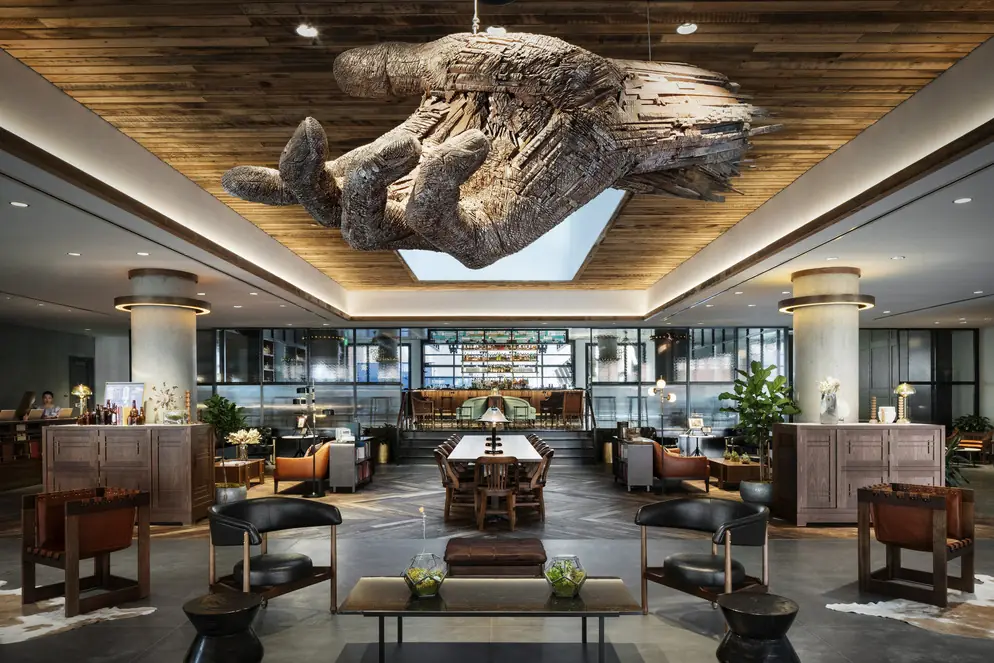
Boutique Hotel Concept Ideas That Attract Loyal Guests and Stand Out
Developing strong boutique hotel concept ideas saved a struggling thirty-room brick property I consulted for in Portland three years ago. Before our overhaul, occupancy hovered near fifty percent because the rooms looked like every generic chain down the street. Once we anchored the entire guest experience around Pacific Northwest vinyl records and local coffee roasters, direct bookings climbed thirty-five percent within six months. Modern travelers rarely pay premium rates just for a clean mattress anymore. They book independent stays because they want a distinct point of view that feels rooted in its surroundings.
Boutique hotel concept ideas that actually work
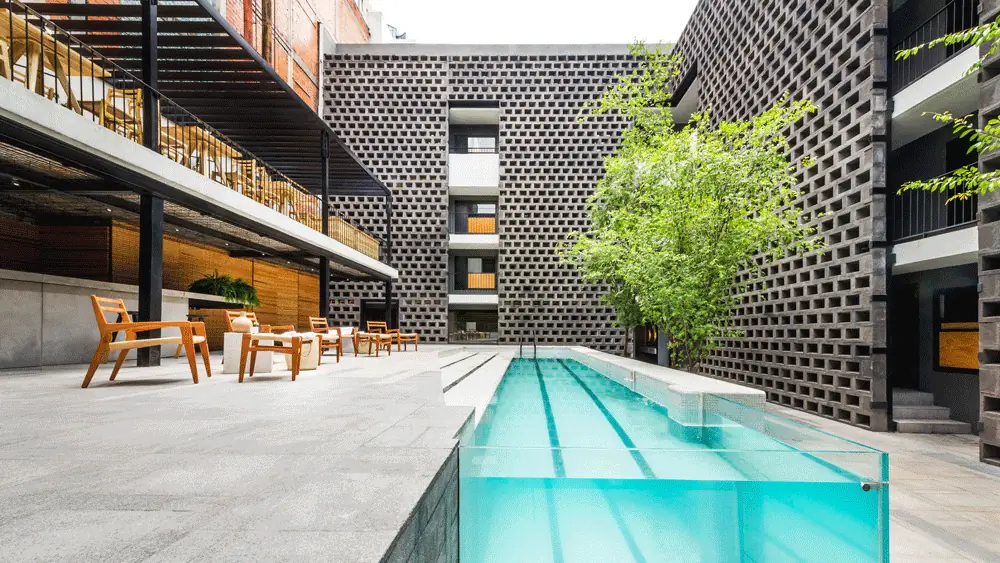
Successful independent properties start with a clear identity before anyone buys a single piece of furniture or drafts boutique hotel name ideas. Data from the Boutique Lifestyle Leaders Association indicates that travelers gladly pay higher average daily rates when a property delivers an authentic, cohesive story. Chasing trendy aesthetics without operational substance usually backfires after the opening buzz fades. Your foundational direction needs to guide everything from room layouts down to morning breakfast service.
Design-led concepts vs experience-led concepts
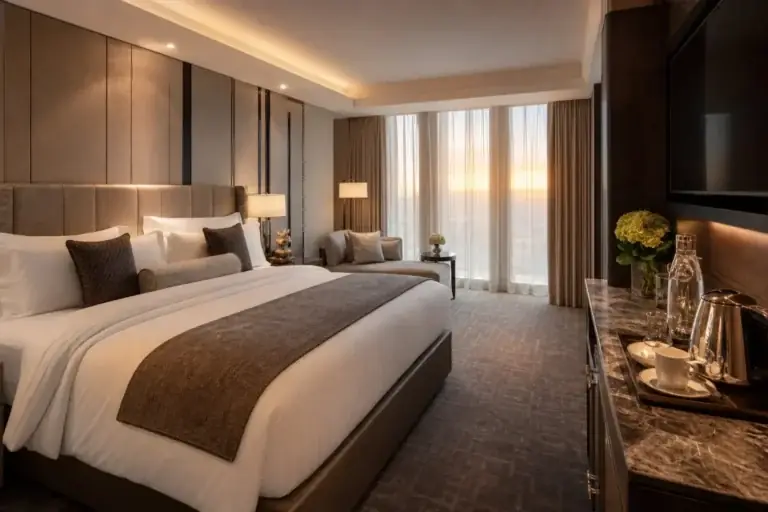
Visual themes rely heavily on architecture, custom millwork, and curated boutique hotel decor ideas to catch attention on social media feeds. Experience-driven properties focus instead on programming, such as nightly vinyl listening sessions, guided foraging walks, or chef-hosted communal dinners. Combining sharp visual styling with genuine daily activities keeps guests coming back long after their first photo op.
Balancing aesthetics with daily operations
Pretty velvet sofas lose their charm quickly if housekeeping crews cannot clean spills between check-out and check-in. Durable materials and smart floor plans protect your margins while keeping visual appeal intact.
Measuring guest engagement
Tracking which on-site amenities guests actually use reveals whether your programming resonates or wastes payroll hours. Simple post-stay surveys provide honest clarity within weeks of opening.
Matching your concept to your location and building
Forcing a tropical beach theme inside a nineteenth-century industrial warehouse feels artificial to savvy travelers. Honoring the original bones of your structure—whether exposed timber beams, historic bank vaults, or mid-century breezeways—creates instant credibility. Let neighborhood history and local climate dictate your material palette and guest offerings.
Working with historic building constraints
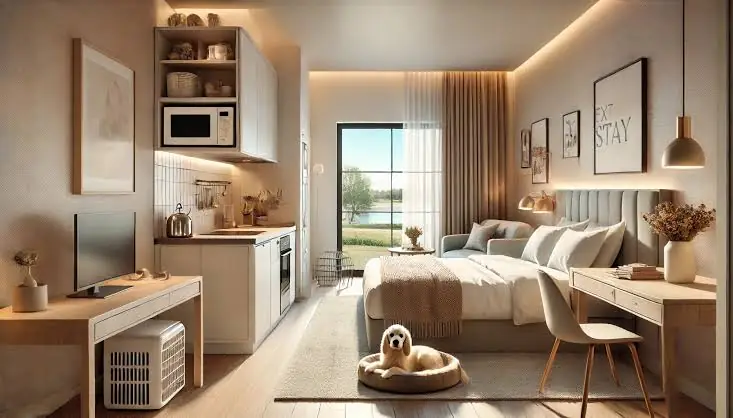
Narrow hallways and irregular room sizes in older buildings often prevent standard king-bed layouts. Turning awkward corners into built-in reading nooks or compact wet bars converts architectural quirks into selling points.
Leveraging neighborhood character
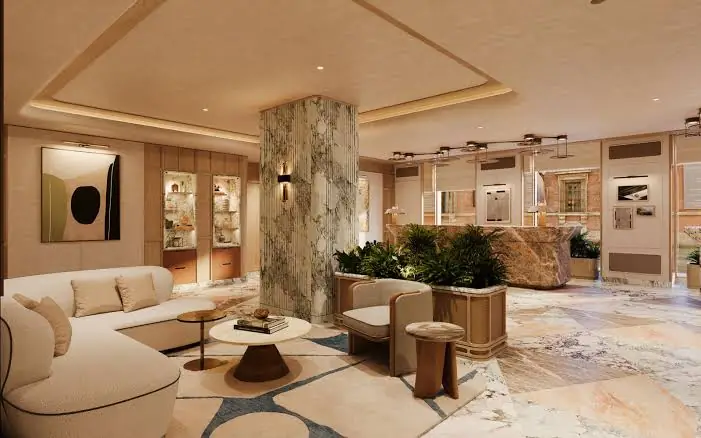
Properties located near arts districts, botanical gardens, or coastal harbors already have built-in guest interests right outside the front door. Aligning your lobby vibe with surrounding streets makes visitors feel like temporary locals rather than tourists.
Theme concepts with strong guest appeal
Choosing a focused niche helps independent properties compete against massive loyalty programs without slashing nightly rates. Specific themes attract passionate traveler segments who actively seek out properties tailored to their hobbies or values.
Literary, art-house and heritage concepts
Book-centric hotels stock rooms with curated regional titles, host visiting author readings, and feature quiet library lounges with craft cocktails. Art-focused stays partner with nearby galleries to rotate original works through guest corridors every quarter, letting visitors purchase pieces off the walls. Heritage inns preserve architectural details while displaying archival neighborhood photographs that spark conversation at breakfast.
Wellness, food and garden-focused hotels
Culinary-driven boutique stays center around an open-hearth restaurant, an on-site bakery, or rooftop herb gardens that supply the evening bar menu. Wellness properties go far beyond basic basement gyms by offering cedar saunas, cold plunge tubs, and circadian lighting systems inside every suite. Travelers increasingly prioritize restorative sleep and clean local ingredients over flashy nightlife.
Turning a concept into a guest experience
A great theme falls flat if it stops at the lobby front desk and disappears once guests unlock their bedroom doors. Every touchpoint across the property should quietly reinforce your core identity without feeling gimmicky or forced. Practical ways to weave your theme throughout the stay include:
-
Replacing standard plastic keycards with engraved wooden tokens or brass fobs matched to your building’s era.
-
Stocking minibars exclusively with small-batch sodas, craft beers, and snacks produced within fifty miles of the property.
-
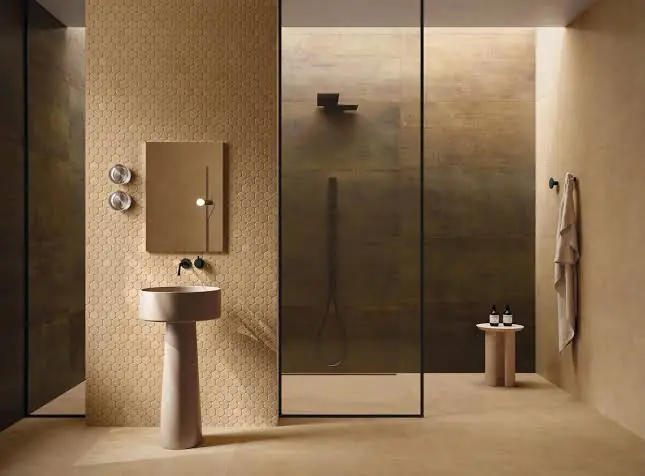
Designing custom bath spaces using thoughtful boutique hotel bathroom ideas like regional apothecary soaps and handmade ceramic tiles.
-
Leaving printed neighborhood walking maps annotated by your front-desk team rather than generic tourist brochures.
How your theme shapes check-in, rooms and amenities
Ditching formal reception counters for a relaxed welcome drink at a communal table immediately sets an intimate tone. Inside the rooms, custom soundscapes, locally woven throws, and thoughtfully chosen bedside books reinforce why the guest chose your property over a chain. Consistency across sensory details builds emotional trust from arrival through departure.
Partnering with local makers and businesses
Collaborating with neighborhood ceramicists, coffee roasters, and textile weavers keeps procurement budgets inside the community while giving guests authentic souvenirs to buy. Many local artisans gladly supply custom mugs or lobby furniture at wholesale rates in exchange for prominent credit cards inside each room. Guests love discovering where their morning pour-over coffee was roasted just three blocks away.
Testing your concept before you invest

Committing hundreds of thousands of dollars to custom renovations before validating market demand carries serious financial risk. Smart hoteliers test key elements early to confirm that travelers will actually pay for their proposed vision.
Soft launches and guest feedback loops
Hosting preview weekends for local creatives, travel writers, and friends exposes operational bottlenecks before paying guests arrive. Watching where visitors linger, what items they photograph, and which room switches confuse them yields priceless adjustments. Gathering candid feedback during a thirty-day soft opening prevents expensive post-launch fixes.
Common reasons boutique concepts fail
Over-complicating the theme often leaves guests confused about what the property actually stands for. Neglecting basic hospitality fundamentals—like fast Wi-Fi, soundproof windows, and water pressure—will sink even the cleverest interior design within months. Style never compensates for poor sleep quality or indifferent staff service.
Frequently Asked Questions
How do I choose the right boutique hotel concept ideas for a small property?
Start by auditing your building’s architectural history, your neighborhood’s strongest cultural assets, and the specific traveler demographic most likely to visit year-round. Pick one clear, authentic angle you can execute consistently across rooms, service, and local partnerships rather than mixing unrelated trends.
Do themed boutique hotels cost more to operate than standard independent hotels?
Initial build-out costs can run slightly higher due to custom millwork and curated furnishings, though ongoing operating costs often stay comparable. Strong concepts frequently generate higher average daily rates and stronger direct booking ratios, which offsets upfront design spending over time.
Can an existing motel or older inn transition into a concept-driven boutique hotel?
Older motor lodges and historic inns adapt remarkably well to fresh concepts when owners lean into retro architecture or regional heritage. Updating exteriors, upgrading bath fixtures, and introducing curated local programming can reposition an aging property within a single renovation cycle.
How important are local partnerships when building a boutique hotel concept?
Working with nearby roasters, bakers, and artists adds genuine neighborhood credibility that corporate hotel chains simply cannot replicate. These collaborations also create built-in cross-promotion opportunities with loyal local audiences.
Conclusion
Shaping memorable boutique hotel concept ideas comes down to pairing an authentic neighborhood story with reliable, thoughtful hospitality. Focus on how your theme improves what guests actually see, touch, and experience from check-in to morning coffee rather than chasing passing design fads. Walk your property this week, list three unique traits of your building or street, and start sketching how each guest room can bring that story to life.