Boutique Hotel Interior Design Ideas That Transform Spaces
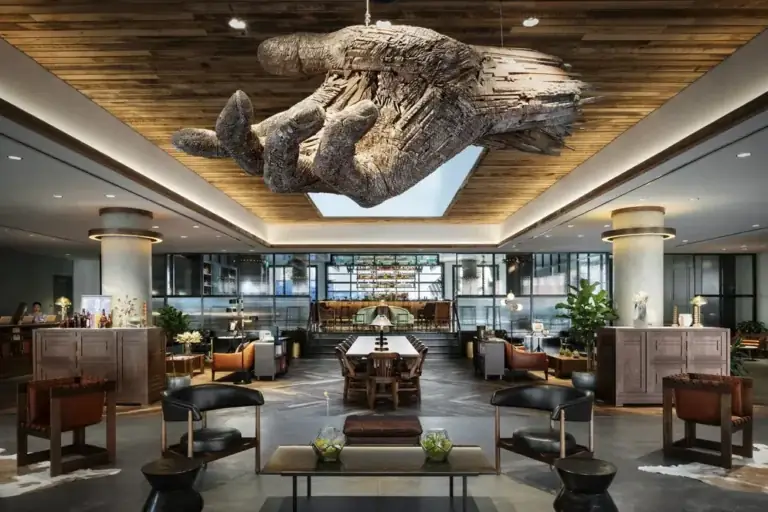
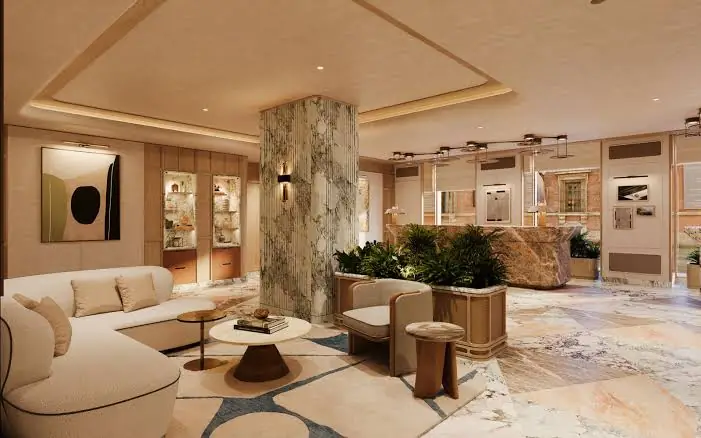
Creating a memorable stay relies heavily on the physical environment you build for your guests. When I walked into my first independent property remodel years ago, I realized that generic furnishings fail to connect with modern travelers. Owners who embrace unique design concepts often see higher repeat booking rates because travelers remember how a room made them feel. Let us examine how you can craft an unforgettable property through intentional choices.
Boutique Hotel Interior Design Ideas by Space
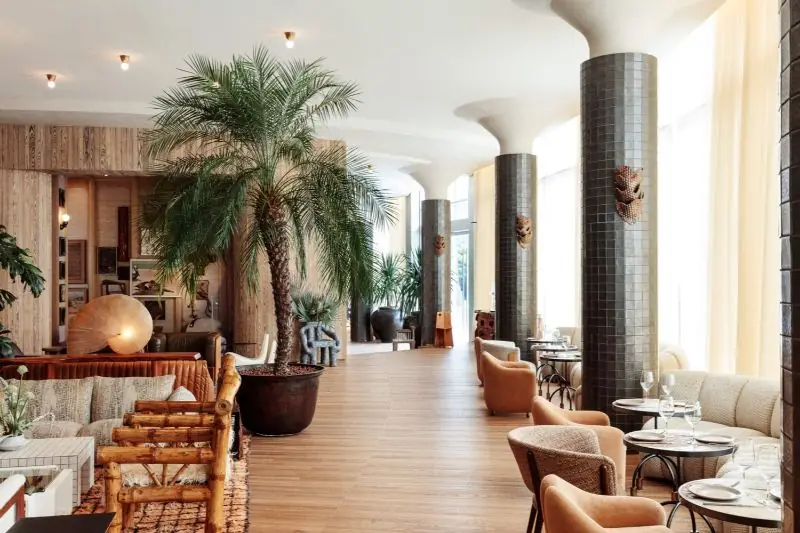
Dividing your property into distinct zones ensures a consistent visual flow from the moment a traveler steps through the front door. Every corner presents an opportunity to reinforce your brand identity without overwhelming the senses. Thoughtful planning in each zone prevents clutter and maintains functional efficiency for your operations team.
Guest rooms, suites and bathrooms
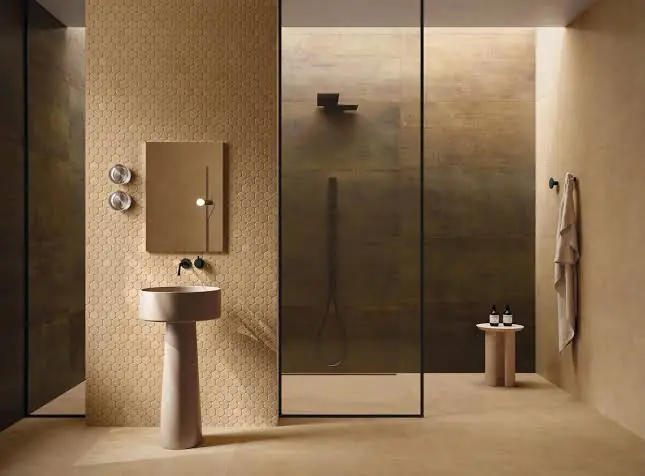
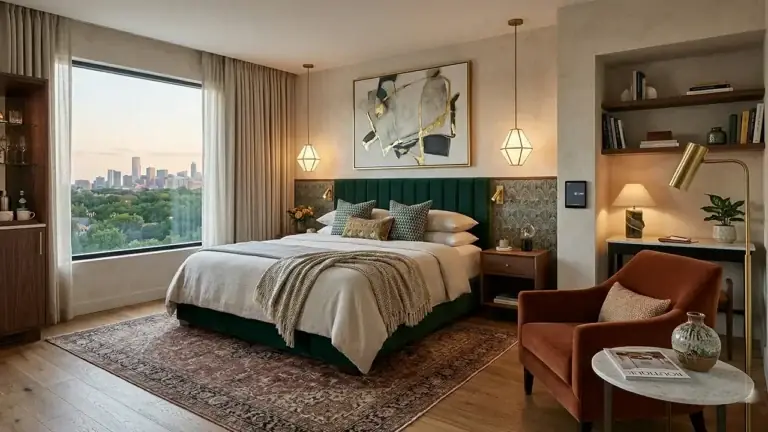
Guest rooms require a delicate balance between visual flair and restful sleep promotion. You should invest in plush mattresses, layered lighting options, and blackout drapery that block early morning streetlights. For a deeper dive into private suites, look at boutique hotel bathroom ideas to elevate daily routines with sleek fixtures and rainfall showers.
Hallways, stairwells and transition spaces
Transition areas are frequently neglected, yet they set the psychological tone as guests walk toward their rooms. Instead of plain white walls and harsh fluorescent lighting, use warm sconces, textured wallcoverings, and local art prints. A well-designed hallway turns a simple walk into a sensory experience that builds anticipation for the room ahead.
Finding Your Design Story Before Choosing Furniture
Rushing into furniture shopping without a core narrative leads to a disjointed aesthetic that confuses visitors. Your property needs a distinct personality that reflects its geographic location or architectural heritage. Establishing this narrative early guides every color choice, material selection, and lighting placement you make during the renovation. For guidance on naming conventions that match your aesthetic, explore boutique hotel name ideas to align your brand from the start.
Using your building’s history as a foundation
Historic structures possess built-in character elements like exposed brick, original timber beams, or vintage iron columns. Rather than covering these features with drywall, restore them to serve as focal points in your rooms. According to preservation guidelines published by the National Trust for Historic Preservation, retaining original architectural elements preserves authenticity and reduces material waste.
Colour palettes that set the mood you want
Colors dictate human emotion faster than almost any other design element in a commercial interior. Neutral backdrops paired with rich jewel tones create a sophisticated environment that feels both grounded and luxurious. Test your paint samples under actual room lighting before committing to a full building coat.
Blending Style with Durability
Stunning aesthetics mean little if your furniture breaks down under heavy guest turnover within six months. Commercial-grade hospitality furnishings are engineered to withstand luggage impacts, spilled liquids, and constant foot traffic. Balancing visual appeal with rugged construction protects your initial capital investment over the long term.
Fabrics and finishes that handle heavy use
Selecting performance textiles prevents stains from ruining expensive upholstery after a single clumsy accident. Crypton and high-rub-count velvet fabrics repel moisture while maintaining a soft, inviting texture for guests. Solid wood frames finished with catalyzed conversion varnish resist scratches far better than standard residential lacquers.
Working with Designers and Trades on a Budget
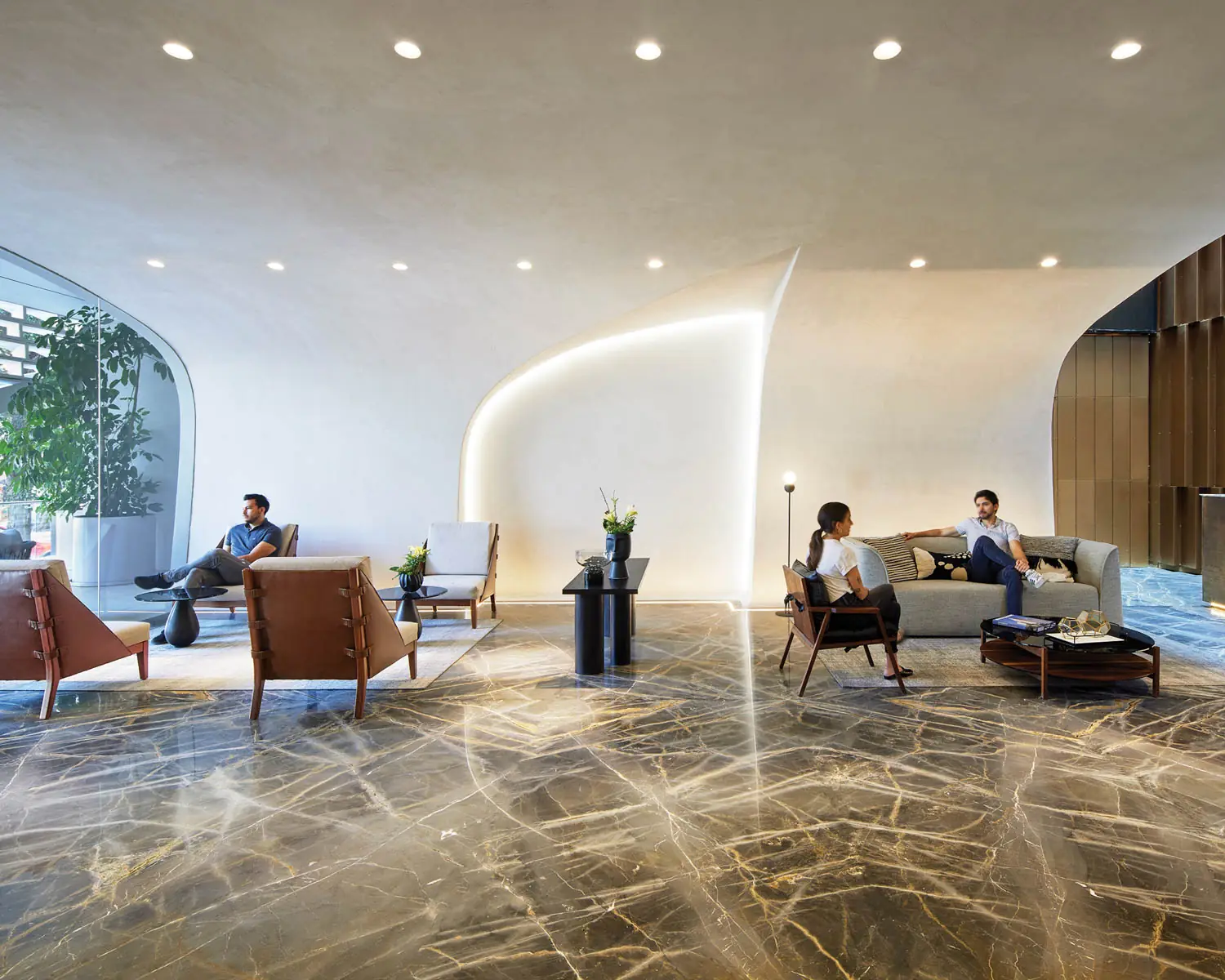
Renovating or launching a hospitality property demands strict financial control to avoid devastating cost overruns. Allocating a contingency fund of fifteen percent safeguards your project against unexpected structural issues behind old walls. Clear communication with contractors keeps every phase moving toward your target opening date.
Where a designer saves you money
Experienced interior designers hold trade discounts that often offset their consultation fees entirely. They also prevent costly mistakes, such as ordering custom casegoods that fail to fit through narrow historic doorways. Their industry connections streamline material sourcing and eliminate delays caused by unreliable suppliers.
Staging spaces and phasing your fit-out
Phased execution allows you to generate early revenue from completed rooms while finishing remaining floors. Prioritize public areas and high-margin suites first so marketing photography captures your strongest selling points. To define your overall property identity further, review boutique hotel concept ideas for inspiration on targeting specific traveler demographics.
Frequently Asked Questions
How much does it cost to design a boutique hotel interior?
Costs vary widely depending on square footage, building condition, and material quality grades. Most boutique projects range from five thousand to fifteen thousand dollars per key for FF and E alone.
How do I choose a signature color palette for my hotel?
Select three core colors consisting of a dominant neutral, a secondary tone, and a bold accent. Tie these choices to your regional surroundings or historical building context for authenticity.
Are performance fabrics comfortable for luxury guest rooms?
Modern performance textiles offer soft tactile experiences while providing industrial stain and moisture resistance. Manufacturers weave protective technology directly into the fibers without stiffening the material.
What is the best way to handle lighting design in small rooms?
Layer your lighting by combining ambient overhead fixtures, task reading lamps, and warm accent sconces. Dimmers give guests control over their room atmosphere throughout different times of day.
Conclusion
Building a successful property requires careful attention to detail across every guest touchpoint. By defining your design story, selecting durable finishes, and maintaining financial discipline, you create a space that guests recommend to others. Start planning your layout updates today to elevate your property market position.