5 Star Hotel Guidelines That Define Ultimate Luxury
When I first walked into an inspected luxury suite, I noticed how every single detail matched strict 5 star hotel guidelines. Travelers often assume that luxury is just about gold faucets and expensive chandeliers, but official ratings depend on rigorous operational standards. Let us examine what separates a mediocre lodge from a genuine five star establishment.
The 5 star hotel guidelines behind official ratings
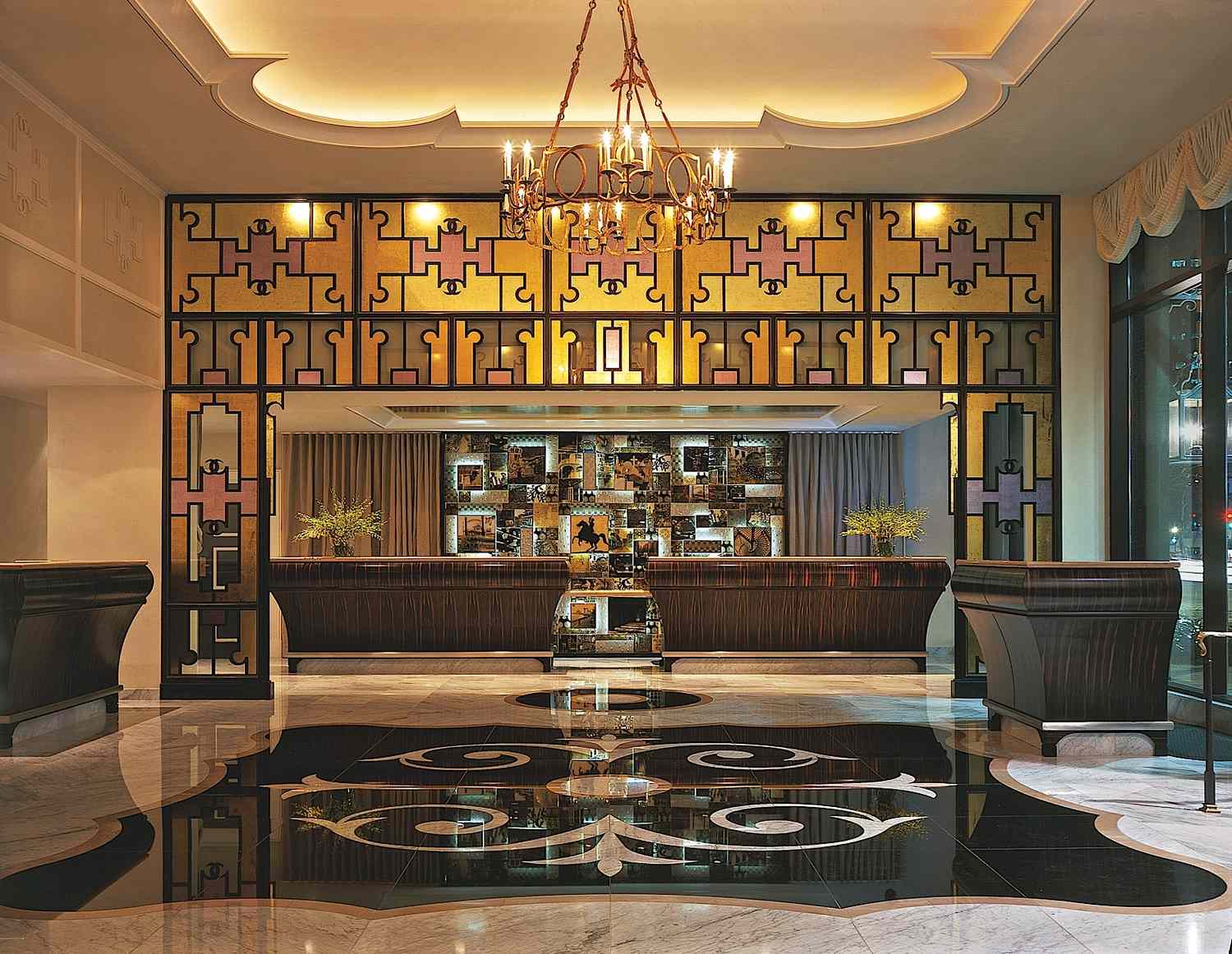
Official criteria determine which properties earn top honors, and these standards prevent misleading marketing claims. Auditors evaluate physical architecture, employee training manuals, and guest feedback metrics before awarding a badge. Knowing these rules helps property owners plan their investments correctly while giving guests realistic expectations.
Who sets star ratings in different countries
National tourism boards and private inspection agencies control hospitality ratings across various global regions. For instance, the Forbes Travel Guide relies on hundreds of objective criteria to score properties annually. Similarly, organizations like AAA publish strict rating handbooks that dictate hospitality requirements in North America.
Facility standards five star hotels must meet
Physical amenities form the foundation of any luxury accommodation ranking. Guests expect expansive public areas, high-end fitness centers, and pristine swimming pools. Every facility must operate smoothly around the clock to satisfy inspector checklists.
Room size, amenities and in-room technology
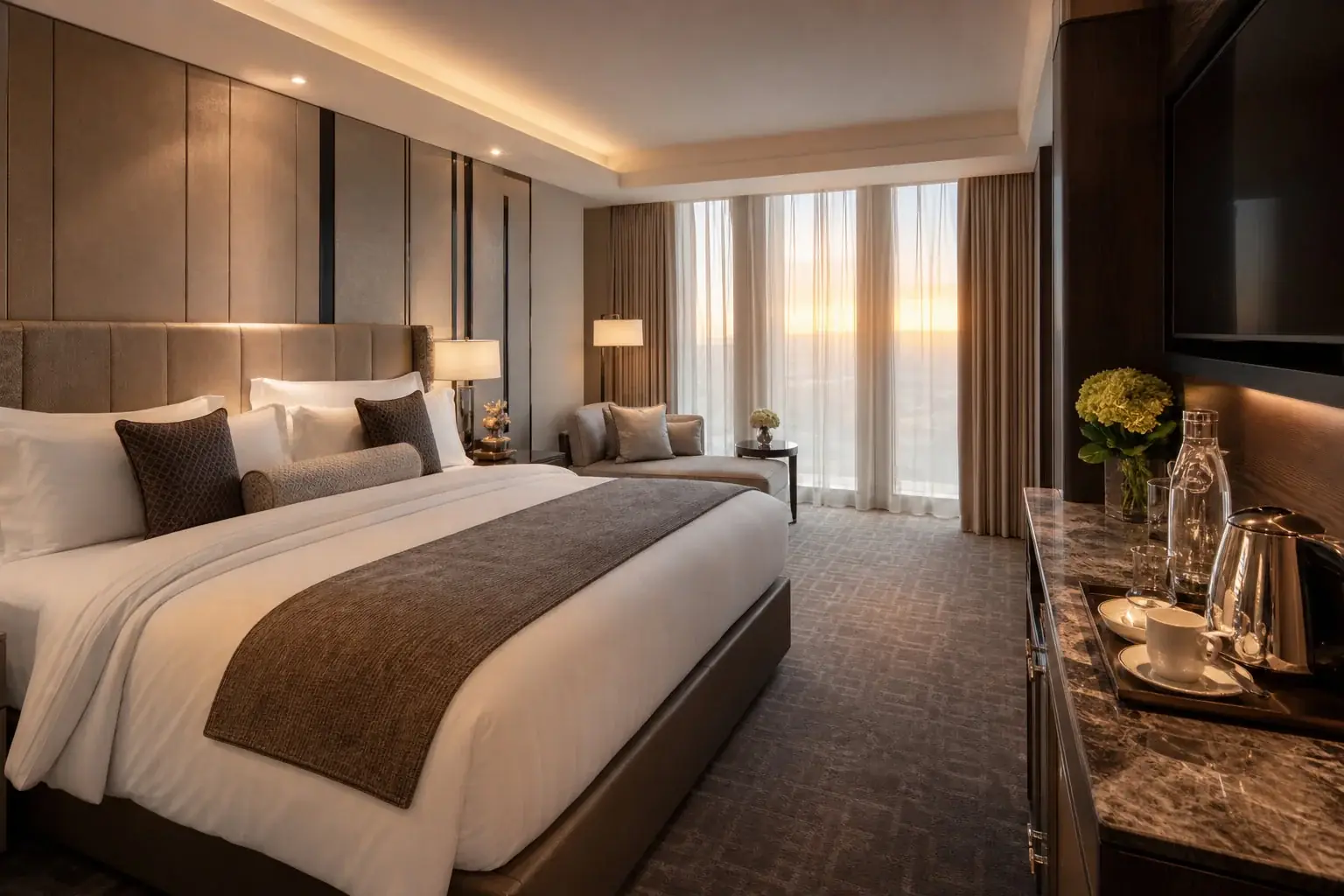
Bedrooms must exceed specific square footage minimums to allow for comfortable seating areas and executive desks. High thread count linens, premium bathrobes, and automated climate controls are mandatory fixtures. If you are developing smaller spaces, drawing inspiration from boutique hotel bathroom ideas helps maximize compact layouts without losing elegance.
Dining, spa and concierge requirements
Properties must feature at least one fine dining restaurant that serves breakfast, lunch, and dinner daily. On-site spa facilities require multiple treatment rooms, relaxation lounges, and professional therapists. A 24-hour concierge desk completes the baseline infrastructure needed for top-tier consideration.
Service expectations at the five star level
Service delivery separates a four star property from a true luxury leader. Employees anticipate guest needs before they are spoken out loud. Training programs focus heavily on emotional intelligence and rapid problem resolution.
Staff-to-guest ratios and personalisation
High staff ratios ensure that every visitor receives immediate attention during their stay. Front desk agents remember returning guest names, dietary preferences, and favorite room locations. This level of personalization transforms a standard visit into an unforgettable experience.
Concierge, butler and turnaround standards
Staff members must execute turndown service every evening without disrupting the guest. Dedicated butlers manage luggage unpacking, garment pressing, and custom itinerary planning. For those exploring alternative branding angles, looking at boutique hotel name ideas provides insight into how luxury properties establish unique market positions.
How hotels earn and lose their stars
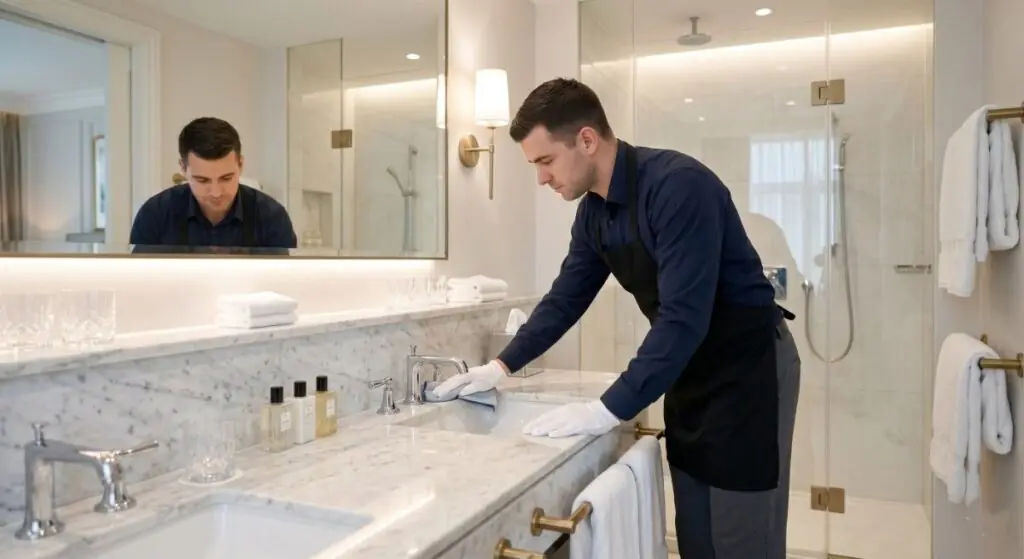
Achieving top status requires passing unannounced audits conducted by trained industry professionals. Inspectors evaluate hundreds of individual touchpoints over a multi-day stay. A single major operational failure can drop a property down a tier during annual reviews.
The inspection and review process
Auditors pose as regular guests to test staff responsiveness, room cleanliness, and food quality. They document every minor flaw using standardized scoring matrices published by governing bodies like the World Tourism Organization. Properties receive detailed feedback reports highlighting areas that need immediate corrective action.
What happens when standards slip
Hotels that fail re-evaluation inspections are given a specific window to fix operational deficiencies. If management does not resolve the issues, the rating agency revokes the star status publicly. Protecting the brand reputation requires continuous staff training and rigorous daily maintenance. When planning new operational frameworks, reviewing boutique hotel concept ideas offers helpful structural perspectives.
Frequently Asked Questions
What is the main difference between four and five star hotels?
Five star hotels require 24-hour room service, valet parking, and exceptional staff-to-guest ratios that four star properties lack. Luxury tiers also mandate larger room dimensions and multiple on-site dining venues.
Do all countries use the same star rating criteria?
No unified global system exists for hotel ratings, meaning standards vary significantly between nations. Private entities like Forbes and Michelin operate independently from government tourism boards.
How often are hotels reinspected for their star rating?
Most official rating agencies conduct comprehensive unannounced audits every year to maintain quality control. Properties can lose their status immediately if they fail critical cleanliness or safety checks.
Can a small boutique property achieve a five star rating?
Small luxury hotels earn top ratings by focusing on hyper-personalized service and unique architectural charm rather than massive physical footprints. Intimate properties often excel in guest satisfaction scores compared to large chain hotels.
Conclusion
Understanding the rules behind luxury ratings helps travelers choose accommodations wisely and assists owners in building better properties. Meeting these strict operational benchmarks demands dedication from every staff member on the team. Review your property plans today to align with top-tier hospitality expectations.